
Yesterday, Ming-Chi Kuo released his latest research report stating that due to the COVID-19 pandemic, the release of the iPhone 12 lineup is later than usual, and the mass production of iPhone 13 models with the A15 chip will return to Apple’s regular schedule.
Industry sources previously indicated that TSMC’s utilization rate for its 5nm production of Apple’s A14 chip will decline from the current 100% to 80% in the first quarter of 2021. Some industry insiders worry that this means that the demand for the iPhone 12 series is lower than expected. Ming-Chi Kuo stated that the expected production capacity utilization rate for the first quarter of 2021 will be the same as that of the fourth quarter of 2020 and remain at 100%, but this view is overly optimistic and incorrect.
iPhone shipments and component shipments are expected to grow by 3-5% in the first quarter of 2021, while shipments in the second quarter are revised down from 51 million units to 45 million units (only 36 million units in the second quarter of 2020).
Currently, the estimated changes in iPhone component shipments are due to seasonal factors, the earlier shipment time of the iPhone 13 compared to the iPhone 12, and a shortage of camera CIS components in the iPhone 12 Pro series, rather than weak demand.
The mass production of the iPhone 13 series is expected to follow a more conventional schedule, and these two phones will definitely be launched in September as usual.
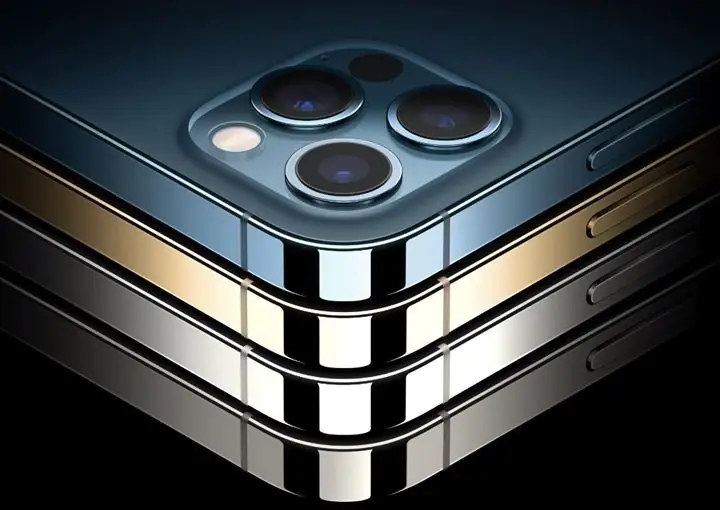
Due to demand for the iPhone 12 Pro series exceeding expectations, the wide-angle sensor for the iPhone 12 Pro Max and the telephoto sensor for the iPhone 12 Pro series are in short supply, causing shipment delays. As Sony is the sole supplier of these sensors, and its production cycle is about 12-14 weeks, it is difficult to improve the sensor shortage in the short term.