
Today, Ming-Chi Kuo released his latest report. The report predicts that in the second half of 2022, the new iPhone will launch in four models: high-end 6.7-inch and 6.1-inch versions, as well as low-end 6.7-inch and 6.1-inch versions. The main cameras of the high-end 6.7-inch and 6.1-inch iPhones will be significantly upgraded to 48MP (1/1.3-inch), which will substantially increase the average selling prices of image sensors (CIS), lenses, and CCM. This specification upgrade will greatly enhance camera performance and help Apple promote AR/MR technology.
Ming-Chi Kuo predicts that the iPhone 13 will use a 12MP (1/1.7-inch) CIS sensor. In the second half of 2022, the new iPhone will see a significant upgrade to a 48MP (1/1.3-inch) CIS sensor. The 48MP camera on the new iPhone will support 8K video recording. Watching videos shot on the iPhone on future 8K TVs or monitors will provide a better user experience.
In terms of pixel size, the new iPhone 12, iPhone 13, and the iPhone in the second half of 2022 have pixel sizes of approximately 1.7 μm, 2 μm, and 1.25 μm, respectively. Reports suggest that the iPhone in the second half of 2022 may support both 48MP and 12MP (4-in-1) output modes. If the 12MP (4-in-1) output solution is adopted, the CIS pixel size for the new iPhone in the second half of 2022 could increase to approximately 2.5 μm. This would not only be significantly larger than the iPhone 12 and iPhone 13 but also surpass the current level of Android smartphones, approaching the quality of digital cameras.
Compared to the iPhone 12, Ming-Chi Kuo forecasts that the average selling prices of the CIS, lens, and CCM for the 48MP camera will rise significantly by approximately 90-110%, 50-70%, and 50-70%, respectively. Current suppliers for Apple’s 48MP camera include Sony (image sensor), Largan Precision (lens), and LG Innotek (CCM).
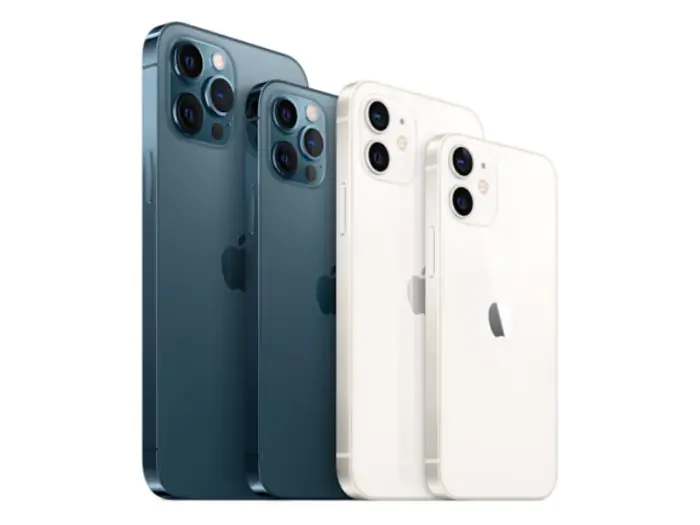
Ming-Chi Kuo also proposed several forecasts, including five trends.
(1) The Face ID Tx lens abandons glass material and replaces it with plastic.
(2) In the second half of 2022, iPhones adopted a 48MP camera, which helped significantly increase the average selling price of the lens.
(3) The adoption of a 48MP camera in iPhones in the second half of 2022 will force more Android phones to use large CIS, driving upgrades in high-end lens specifications, increased average selling prices, and growth in shipment volumes. The 8P lens benefits from improved yield and cost reduction, and its shipment volume is expected to grow significantly starting from 2022. We expect Samsung’s high-end phones to start using 8P lenses in 2022.
(5) Apple is expected to adopt periscope telephoto lenses and under-display Face ID technology in 2023, which will significantly increase the lens ASP.